
Instant Pot Sous Vide: A Comprehensive Guide
Sous vide‚ meaning “under vacuum‚” involves immersing food in a precisely temperature-controlled water bath for consistent results‚ and the Instant Pot simplifies this technique.
Achieving perfect doneness relies on accurate temperature control‚ with some models allowing specific temperature settings for sous vide and yogurt functions.
Testing temps every fifteen minutes with an instant-read thermometer is recommended‚ and filling the pot halfway with water ensures proper circulation during operation.
Understanding Sous Vide Cooking
Sous vide‚ a French technique translating to “under vacuum‚” represents a revolutionary approach to cooking‚ prioritizing precision and consistency. This method involves sealing food in airtight bags and then immersing them in a temperature-controlled water bath. Unlike conventional cooking‚ which relies on heat gradients‚ sous vide ensures the entire food item reaches and maintains the desired temperature.
The Instant Pot‚ with its capabilities‚ offers a convenient entry point into the world of sous vide. While traditionally requiring specialized equipment‚ the Instant Pot’s controlled heating element and insulated pot can effectively mimic a sous vide environment. However‚ achieving optimal results often necessitates careful attention to water circulation and temperature accuracy.
Understanding the principles of sous vide – precise temperature control and consistent heat distribution – is crucial for successful implementation within an Instant Pot. It’s a fool-proof way to cook food to a perfectly cooked temperature‚ though perfection is subjective.

What is Sous Vide?
Sous vide‚ literally meaning “under vacuum” in French‚ is a cooking technique where food is sealed in airtight bags and then submerged in a precisely temperature-controlled water bath. This isn’t about high heat; it’s about consistent‚ even cooking throughout the entire food item. Unlike traditional methods‚ sous vide eliminates overcooking and ensures uniform doneness from edge to edge.
The process relies on maintaining a specific temperature for an extended period‚ allowing the food to cook gently and retain moisture. This results in incredibly tender and flavorful results‚ particularly for proteins like steak‚ chicken‚ and fish. It might sound intimidating‚ but the core principle is simple: precise temperature control.
With the Instant Pot‚ achieving sous vide is becoming increasingly accessible‚ offering a convenient alternative to dedicated sous vide equipment. It’s a method that prioritizes precision and delivers consistently excellent results.
Benefits of Using Sous Vide
Sous vide cooking offers a remarkable level of control and consistency‚ resulting in superior culinary outcomes. It’s a “fool-proof” method for achieving perfectly cooked food‚ tailored to your exact preferences. Unlike conventional techniques‚ sous vide minimizes the risk of overcooking‚ ensuring tenderness and juiciness every time.
The sealed environment preserves flavors and nutrients‚ intensifying the natural taste of the ingredients. This method also allows for extended hold times; food can remain in the water bath without significant quality loss. With an Instant Pot‚ this technique becomes even more accessible.

Ultimately‚ sous vide simplifies the pursuit of perfection‚ delivering restaurant-quality results in your own kitchen. It’s a technique that empowers both novice and experienced cooks to consistently create exceptional meals.
Instant Pot for Sous Vide: Compatibility
Not all Instant Pot models are created equal when it comes to sous vide functionality. Some‚ like the Instant Pot Pro‚ offer dedicated sous vide and yogurt functions‚ allowing for precise temperature control. However‚ even without a specific setting‚ many Instant Pots can be adapted for sous vide cooking.
The key is the ability to maintain a consistent water temperature. Models like the Ultra attempt precise temperature settings‚ but accuracy can vary. Testing with an instant-read thermometer is crucial to verify the actual water temperature.
Using an immersion circulator alongside your Instant Pot can also enhance compatibility and precision‚ providing more reliable temperature regulation. Consider the pot’s size and your cooking needs when assessing compatibility.
Instant Pot Models with Sous Vide Function
The Instant Pot Pro stands out with its built-in sous vide function‚ offering users a convenient way to achieve precise temperature control. This model allows for setting specific temperatures‚ streamlining the sous vide process. However‚ even with this function‚ verifying temperature accuracy is still recommended.

The Instant Pot Ultra also attempts to offer precise temperature control at 135 degrees F‚ but results can be inconsistent. Other models may require adaptation‚ utilizing the “keep warm” function or careful monitoring to maintain the desired water temperature.
Additionally‚ the Instant Pot Accu Slim Sous Vide Immersion Circulator is a compatible accessory‚ working with various Instant Pot models and stockpots to provide reliable temperature regulation.
Setting Up Your Instant Pot for Sous Vide
Proper setup is crucial for successful sous vide cooking in your Instant Pot. Begin by filling the inner pot with water‚ ensuring at least half-full capacity for adequate circulation. Secure the lid‚ but do not seal it; venting is necessary to regulate temperature.

For models with a dedicated sous vide function‚ simply select the setting and input your desired temperature. If using a model without this function‚ utilize the “keep warm” setting and closely monitor the water temperature with an instant-read thermometer.
Consistent temperature is key; adjust as needed to maintain the target temperature throughout the cooking process. Remember to test the temperature periodically.
Water Level and Circulation

Maintaining the correct water level is paramount for effective Instant Pot sous vide cooking. A minimum of half-full is generally recommended‚ allowing sufficient water to circulate around the vacuum-sealed food. Insufficient water can lead to uneven cooking and temperature fluctuations.
Proper circulation ensures consistent temperature throughout the water bath. While some Instant Pot models have natural circulation‚ others may benefit from gentle stirring occasionally. Avoid overcrowding the pot‚ as this restricts water flow.
Always ensure the food is fully submerged; use a weight or rack if necessary to keep bags from floating. Consistent water movement is vital for even cooking.
Temperature Calibration & Accuracy
Temperature accuracy is crucial for successful sous vide cooking‚ and Instant Pots aren’t always perfectly calibrated. Regularly verifying the water temperature with an independent instant-read thermometer is highly recommended‚ especially when first using the sous vide function.
Some users report discrepancies between the set temperature and the actual water temperature‚ necessitating adjustments. If inaccuracies are detected‚ note the offset and compensate when setting future temperatures.
Testing the temperature every fifteen minutes‚ as some users do‚ provides ongoing assurance of consistent heat. Precise temperature control is key to achieving desired results‚ particularly at the critical 135°F for certain foods.
Essential Equipment for Instant Pot Sous Vide
While the Instant Pot handles the water bath‚ several tools enhance the sous vide experience. A vacuum sealer and bags are paramount for removing air and ensuring proper heat transfer to the food. This prevents floating and guarantees even cooking.
Although many Instant Pot models now feature a built-in sous vide function‚ an immersion circulator can be beneficial for greater temperature precision and circulation‚ particularly in larger pots.
Consider the Instant Pot Accu Slim Sous Vide Immersion Circulator‚ designed to fit both Instant Pots and stockpots. Having reliable equipment ensures consistent‚ restaurant-quality results with minimal effort.
Vacuum Sealer and Bags
Vacuum sealing is crucial for successful sous vide cooking. Removing air from the bag ensures efficient heat transfer‚ allowing the water bath to cook the food evenly and thoroughly. Without proper sealing‚ the bag may float‚ hindering the cooking process.
Invest in a quality vacuum sealer capable of creating an airtight seal. Sous vide-specific bags are recommended‚ as they are typically thicker and more durable‚ withstanding prolonged immersion in warm water. Ensure the bags are BPA-free for food safety.
Properly sealed bags prevent water from entering‚ maintaining the food’s integrity and flavor. A reliable vacuum sealer is a foundational element for achieving consistent‚ professional-grade sous vide results within your Instant Pot.
Immersion Circulator (if needed)
While many newer Instant Pot models feature a built-in sous vide function‚ older models or those with limited temperature control may benefit from an external immersion circulator. These devices clip onto the side of the pot‚ providing precise and consistent water temperature regulation.
An immersion circulator is particularly useful if your Instant Pot struggles to maintain a specific temperature accurately. They offer greater control‚ ensuring optimal sous vide cooking conditions. Look for circulators with adjustable temperature settings and digital displays.
The Instant Pot Accu Slim is a compatible option‚ designed to fit both Instant Pots and stockpots. However‚ always verify compatibility before purchasing‚ and prioritize safety when using additional appliances alongside your Instant Pot.
Time and Temperature Guide for Common Foods
Sous vide cooking hinges on precise time and temperature combinations to achieve desired results. While personal preference plays a role‚ guidelines exist for common foods. For steak and beef‚ 135°F (57°C) for medium-rare‚ cooked for 1-4 hours‚ is a starting point.
Chicken and poultry benefit from higher temperatures‚ like 165°F (74°C) for 1-3 hours‚ ensuring food safety. Fish and seafood require even shorter times; 130°F (54°C) for salmon‚ cooked for 30-45 minutes‚ yields excellent texture.
Resources like the Anova Time & Temperature Guide offer detailed charts for various cuts and thicknesses. Remember‚ these are suggestions; experimentation is key to finding your perfect sous vide outcome.
Steak & Beef
Sous vide excels at cooking steak and beef to a consistently perfect doneness. For medium-rare‚ a temperature of 135°F (57°C) is recommended‚ though preferences vary. Cooking times depend on thickness‚ ranging from 1 to 4 hours.

Thicker cuts‚ like ribeye or New York strip‚ benefit from longer cook times‚ ensuring even temperature throughout. Vacuum sealing is crucial for optimal heat transfer and flavor retention. After sous vide‚ a quick sear in a hot pan or with a torch adds a desirable crust.
Experiment with different temperatures to discover your ideal level of doneness. Remember‚ sous vide brings the steak to the target temperature; searing provides the Maillard reaction for flavor.
Chicken & Poultry
Sous vide is a fantastic method for cooking chicken and poultry‚ guaranteeing moist and tender results. A temperature of 145°F (63°C) is generally recommended for chicken breasts‚ ensuring they are safely cooked while remaining juicy.
For thighs and legs‚ a slightly higher temperature of 165°F (74°C) can be used for a more tender texture. Cooking times vary based on thickness‚ typically ranging from 1 to 3 hours. Proper vacuum sealing is essential to prevent water from entering the bag.
Always prioritize food safety; ensure the internal temperature reaches the recommended level. A post-sous vide sear or quick grill adds color and enhances flavor.
Fish & Seafood
Sous vide excels at cooking fish and seafood‚ delivering incredibly delicate and flaky textures. Due to the precise temperature control‚ overcooking is minimized‚ preserving natural flavors. For most fish fillets‚ a temperature between 120°F (49°C) and 130°F (54°C) is ideal‚ depending on desired doneness.
Salmon benefits from 125°F (52°C) for approximately 30-45 minutes‚ while cod or halibut may require 130°F (54°C) for a similar duration. Shellfish‚ like scallops‚ cook quickly – around 20-30 minutes at 120°F (49°C).
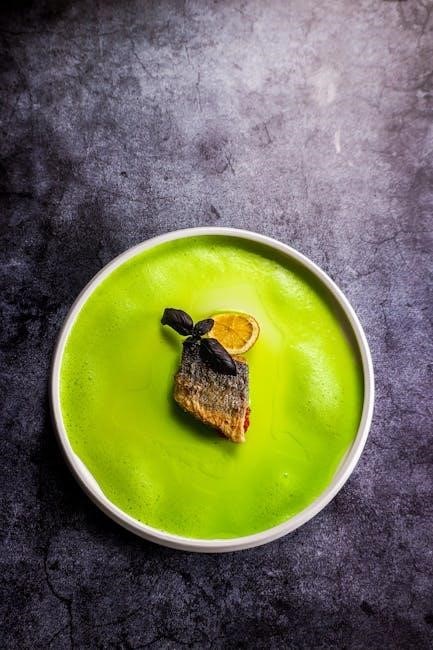
Vacuum sealing is crucial‚ and a quick sear after sous vide enhances the presentation and adds a delightful crust.
Step-by-Step Instructions: Basic Sous Vide in Instant Pot
First‚ season your food and vacuum seal it securely in a bag. Next‚ fill the Instant Pot with water‚ ensuring it reaches a level sufficient for circulation but doesn’t exceed the max fill line. Then‚ set the Instant Pot to ‘Sous Vide’ mode‚ inputting your desired temperature and cooking time.
Carefully lower the sealed bag into the water bath. Monitor the temperature initially to confirm accuracy‚ using an instant-read thermometer if needed. Once complete‚ remove the bag‚ pat the food dry‚ and consider a quick sear for enhanced flavor and texture. Remember to always prioritize safety when handling hot water and equipment.
Safety Precautions for Instant Pot Sous Vide
Always exercise caution when working with hot water and a heated appliance like the Instant Pot. Ensure the lid is securely fastened during operation to prevent burns from escaping steam. Never exceed the maximum fill line‚ as this could lead to spills and potential hazards.
Regularly inspect vacuum seal bags for leaks before and during cooking to avoid water contamination. Be mindful of the hot bag upon removal‚ using tongs or oven mitts. Properly sanitize all equipment after each use to prevent bacterial growth. Prioritize food safety by adhering to recommended cooking times and temperatures.
Troubleshooting Common Issues
Temperature control problems can occur; verify accuracy with an independent thermometer every fifteen minutes‚ especially during initial testing. If the Instant Pot struggles to maintain the set temperature‚ ensure sufficient water volume and proper lid sealing. Bag floating issues are common – use weights specifically designed for sous vide‚ or a rack to keep bags fully submerged.
For inconsistent results‚ double-check vacuum seal integrity and food placement within the bag. If the unit displays an error code‚ consult the Instant Pot manual for specific guidance. Remember‚ precise temperature is key; slight deviations can impact final results‚ so calibrate as needed.
Temperature Control Problems
Maintaining precise temperature is crucial for successful sous vide. If your Instant Pot isn’t holding the set temperature‚ begin by verifying water levels – insufficient water hinders circulation. Ensure the lid is properly sealed‚ as a loose fit impacts temperature stability. Regularly check the water temperature with an independent‚ calibrated thermometer every fifteen minutes during operation.
Some Instant Pot models‚ particularly those without dedicated sous vide functions‚ may exhibit temperature fluctuations. For the Ultra model‚ attempting to set exact temperatures can be challenging. Consider testing and adjusting based on observed deviations. If problems persist‚ consult the Instant Pot manual or contact customer support.
Bag Floating Issues
A common challenge in Instant Pot sous vide is preventing bags from floating. Floating compromises even cooking‚ as portions aren’t fully submerged. To counteract this‚ ensure bags are fully submerged in water before starting. Utilize sous vide weights specifically designed for this purpose‚ placing them directly on top of the bag.
Alternatively‚ use a rack or trivet to keep the bags pressed down. If using zip-top bags‚ the water displacement method – slowly lowering the sealed bag into the water – can help remove air. Proper vacuum sealing is vital; insufficient vacuum creates air pockets. Remember to fill the Instant Pot at least halfway with water to aid circulation and bag submersion.
Finishing Techniques: Searing and More
Sous vide delivers perfectly cooked interiors‚ but often lacks the desirable Maillard reaction – the browning that enhances flavor and texture. Therefore‚ a finishing step is usually essential. Searing is the most popular method‚ using a very hot skillet with oil or butter for a quick‚ flavorful crust. Pat the food dry before searing to promote better browning.
Beyond searing‚ consider other finishing touches. For poultry skin‚ a brief blast under the broiler can crisp it up. Sauces can be added after sous vide‚ either by reducing a pan sauce from the searing process or by simply brushing on a prepared sauce. Experiment with herbs‚ spices‚ and compound butters to elevate the final dish.
Resources and Further Reading

For comprehensive time and temperature guidelines‚ the Anova Time & Temperature Guide is an invaluable resource‚ helping you achieve optimal results for various proteins and vegetables. Additionally‚ consulting your Instant Pot Sous Vide manual provides specific instructions for your model‚ including safety precautions and troubleshooting tips.
Numerous online communities and forums dedicated to sous vide cooking offer a wealth of knowledge and shared experiences. Simplemost and other culinary websites provide helpful articles and product reviews related to immersion circulators and accessories. Exploring these resources will deepen your understanding and inspire culinary creativity. Product manuals for the Instant Pot Accu Slim Sous Vide Immersion Circulator are also readily available.
Anova Time & Temperature Guide
The Anova Time & Temperature Guide is a cornerstone resource for mastering sous vide‚ offering precise cooking parameters for a vast array of foods. Whether you’re a novice or seasoned chef‚ this guide simplifies achieving perfectly cooked results consistently. It details optimal temperatures for everything from delicate fish to robust steaks‚ ensuring food safety and maximizing flavor.
Utilizing the guide allows for predictable outcomes‚ eliminating guesswork in the cooking process. It provides recommended cooking durations based on thickness and desired doneness‚ streamlining meal preparation. Remember that sous vide focuses on reaching a precise internal temperature‚ and the Anova guide is instrumental in achieving this. Perfect for Instant Pot sous vide‚ it’s a must-have for culinary success.
Instant Pot Sous Vide Manuals
Instant Pot provides dedicated sous vide manuals for their Accu Slim Immersion Circulator‚ offering detailed instructions for optimal use. These manuals are crucial for understanding the specific features and functionalities of your Instant Pot model when employing the sous vide method. They cover setup‚ operation‚ safety precautions‚ and troubleshooting tips‚ ensuring a smooth cooking experience.
Accessing these manuals is vital for accurate temperature calibration and understanding water circulation requirements within the Instant Pot. The manuals detail how to achieve precise temperature control‚ essential for successful sous vide cooking. Furthermore‚ they often include quick-start guides and helpful diagrams. Consulting the manual ensures you’re utilizing your Instant Pot’s sous vide capabilities to their fullest potential‚ guaranteeing delicious and safely cooked meals.